A Complete Guide to Hail Damage Roof Repair for North Texas Homeowners
Living in North Texas means accepting that severe weather is part of life. Hailstorms arrive fast, and the damage they leave behind can be both frustrating and expensive. If you are a homeowner here, you have likely stared up at your roof after a storm and wondered whether those dings and dents are just cosmetic or something more serious. Hail damage roof repair is not a topic most people think about until they need it, but knowing what to look for and how to act can save you thousands of dollars and a lot of headaches.
The first thing to understand is that hail damage is not always obvious from the ground. A few scattered granules of ice might seem harmless, but depending on hail size, the force of impact can crack asphalt shingles, loosen granules, or even punch through softer roofing materials. In my years of working on roofs across this region, I have seen hail the size of golf balls leave hidden fractures that only show up months later as a roof leak. That is why a thorough roof inspection after any major hailstorm is one of the smartest moves a homeowner can make.
Why Hail Damage Roof Repair Matters More Than You Think
Many homeowners assume that if they do not see water stains on their ceiling, their roof is fine. That assumption can be costly. Hail damage often weakens the structural integrity of roofing materials without causing an immediate leak. Over time, those compromised areas become entry points for moisture, especially during the next heavy rain. A small crack in an asphalt shingle may not leak today, but after a few freeze-thaw cycles or an ice dam forming along the eaves, that crack can widen and let water into your home.
Roof repair cost is another reason to take hail damage seriously. Delaying repairs usually turns a simple fix into a larger, more expensive project. Water that gets past the outer layer can rot decking, damage insulation, and even ruin interior finishes. What might have been a few hundred dollars in shingle replacement can balloon into thousands in structural repairs and mold remediation. Acting quickly after storm damage is not panic - it is practical.
How Hail Size Affects Your Roof
Hail size is one of the most critical factors in determining the severity of damage. Pea-sized hail rarely causes significant harm, though it can still knock granules off older shingles. As hail size increases to the size of quarters or golf balls, the risk of cracking and granule loss goes up sharply. In the most severe storms, hail as large as baseballs or softballs can puncture through multiple layers of roofing, including metal roofing and even some solar roof panels.
Different materials respond differently to impact. Asphalt shingles are common in North Texas, and they are moderately durable, but they can become brittle with age. A direct hit from large hail can break them clean through. Impact resistant shingles are designed to handle more abuse, but they are not invincible. Metal roofing tends to dent rather than crack, which can look cosmetic but may still compromise the roof's ability to shed water if the dents create low spots where water pools. Flat roof systems, often found on additions or modern homes, can be punctured or develop blisters from hail impact. Sloped roofs shed hail better, but they still take the brunt of the storm on the windward side.
Signs You Need Hail Damage Roof Repair
Spotting damage early is key. Here are the most common signs that a roof inspection is warranted:
- Missing or broken shingles, especially in clusters on one side of the roof
- Granule loss on asphalt shingles, leaving bare spots that look like small bald patches
- Dents or punctures in metal roofing, particularly around flashing and vents
- Visible cracks in flat roof membranes or around roof penetrations
- Interior water stains or damp spots in the attic after rain
If you notice any of these, it is time to call a qualified roofing contractor. A professional inspection will identify not just obvious damage but also subtle issues that could cause problems later. Many contractors offer free or low-cost inspections, especially after a widespread storm.
One nuance that often surprises homeowners is the role of roof ventilation. A well-ventilated attic helps regulate temperature and moisture, which can reduce the formation of ice dams. But after hail damage, ventilation systems can be compromised if vents are dented or blocked by debris. That is another reason to include a full system check in your repair plan.
Navigating Insurance Claims for Storm Damage
Hail damage roof repair often runs through an insurance claim. Most homeowners policies cover storm damage, including hail, but the process can be tricky. The first step is to document everything. Take photos of the damage from multiple angles, including close-ups of cracked shingles or dents. Keep samples of any fallen materials if possible. Then contact your insurance company promptly. Many policies have time limits for filing claims, and waiting too long can reduce your chances of full coverage.
Adjusters will inspect your roof and estimate the repair cost. Be present during their inspection if you can. Point out issues they might miss, such as granule loss on a flat section or damage around skylights. It also helps to get an estimate from your own roofing contractor before the adjuster arrives. That way you have a baseline for what the work should cost. If the adjuster's estimate seems low, you can negotiate with your own documentation.
One thing to watch for is depreciation. Insurance policies often pay actual cash value initially, which subtracts depreciation based on your roof's age. If you have replacement cost coverage, you can recover that depreciation once repairs are completed. Keep all receipts and paperwork to submit for the second payment.
Choosing the Right Roofing Contractor
Not every contractor handles hail damage roof repair the same way. Some specialize in storm damage and have experience working with insurance companies. Others focus on general roofing and may not be as familiar with the specific challenges of hail repair. Look for a contractor who is licensed and insured, with a solid track record in North Texas. Ask for references and check recent reviews, especially after major storms.
A good contractor will do more than just replace damaged shingles. They will inspect the entire roof system, including underlayment, flashing, vents, and gutters. They should also check for hidden damage that might not be visible until the old shingles are removed. If the decking is rotted or the underlayment is torn, those issues need to be addressed before new materials go on top. Skipping those steps leads to premature failure and voided roof warranties.
Speaking of roof warranty, make sure any repair work is covered by a warranty from both the manufacturer and the contractor. Many shingle manufacturers require certified installers to maintain their warranty. If you hire an unqualified contractor, you could lose that protection. Impact resistant shingles, for example, often come with extended warranties that are only valid if installed by approved professionals.
Preventative Steps After Repairs
Once your roof is repaired, you can take steps to reduce future damage. Consider upgrading to impact resistant shingles if your current ones are older or if you live in an area that gets frequent hail. Some homeowners also install metal roofing in a standing seam profile, which handles hail better than corrugated panels because the seams allow for expansion and the material can be formed to shed impact energy.
If you have a solar roof, talk to your solar installer about hail resistance. Many panels are tested to withstand 1-inch hail, but larger stones can still break the glass. Some systems include protective screens or can be tilted to a steeper angle to reduce the impact area. That is a conversation worth having before the next storm season.
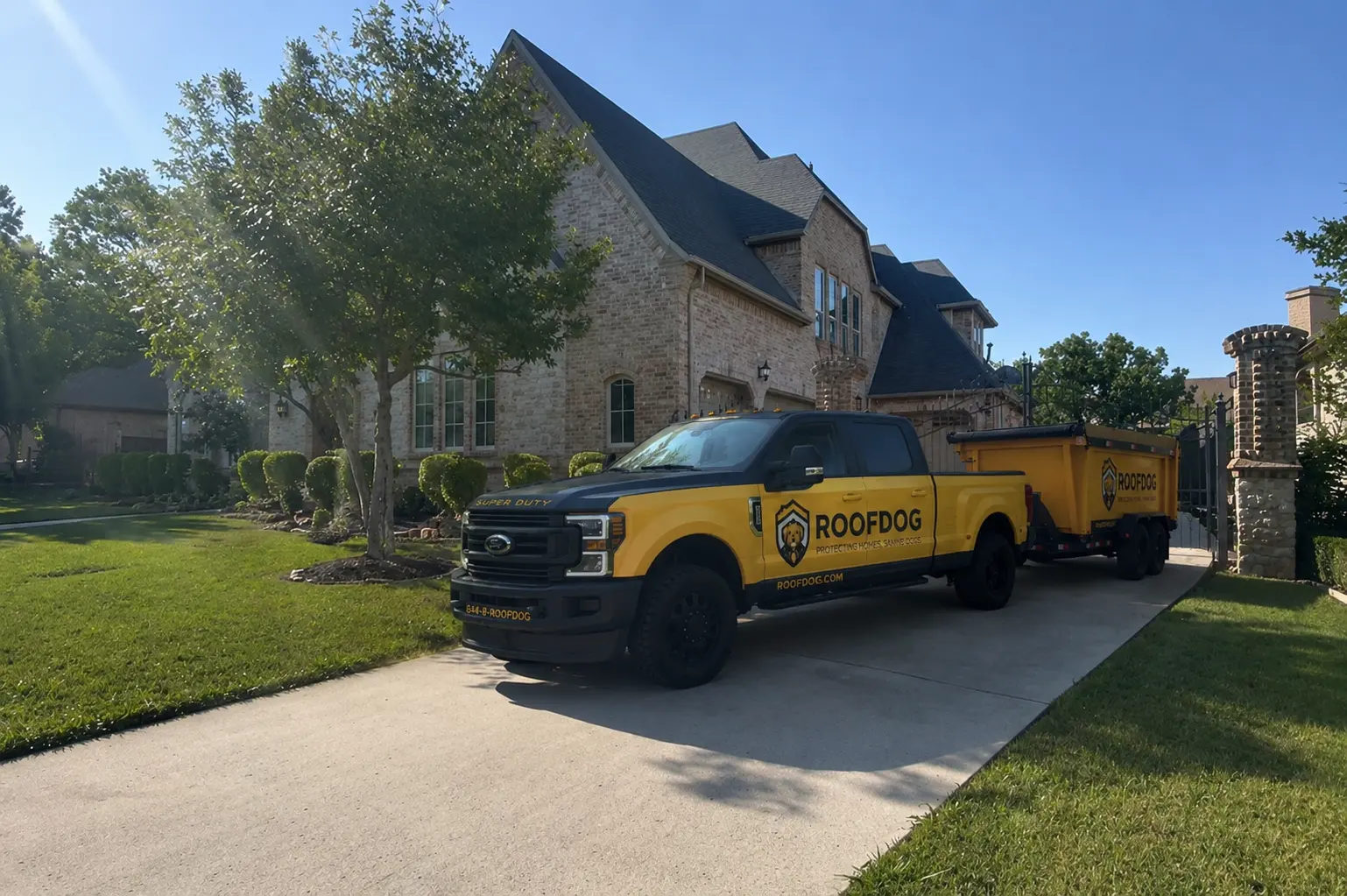
Regular roof inspections, at least once a year and after every major storm, are the single best defense. A trained eye can spot small issues before they become big ones. And if you work with a company that also supports the local community, so much the better. RoofDog, for instance, is a North Texas roofing company that installs and repairs roofs while donating 10% of profits to local dog rescues. That kind of charitable giving ties the work you do on your home to something larger, which is a nice bonus when you are already dealing with the stress of storm damage.
Final Thoughts
Hail damage roof repair is not something to put off. A fast response, a thorough inspection, and the right contractor can make the difference between a simple repair and a full roof replacement. North Texas weather is unpredictable, but your roof does not have to be. Stay proactive, know what to look for, and do not hesitate to call in a professional. Your home - and your peace of mind - are worth it.